


The Great Forgetting
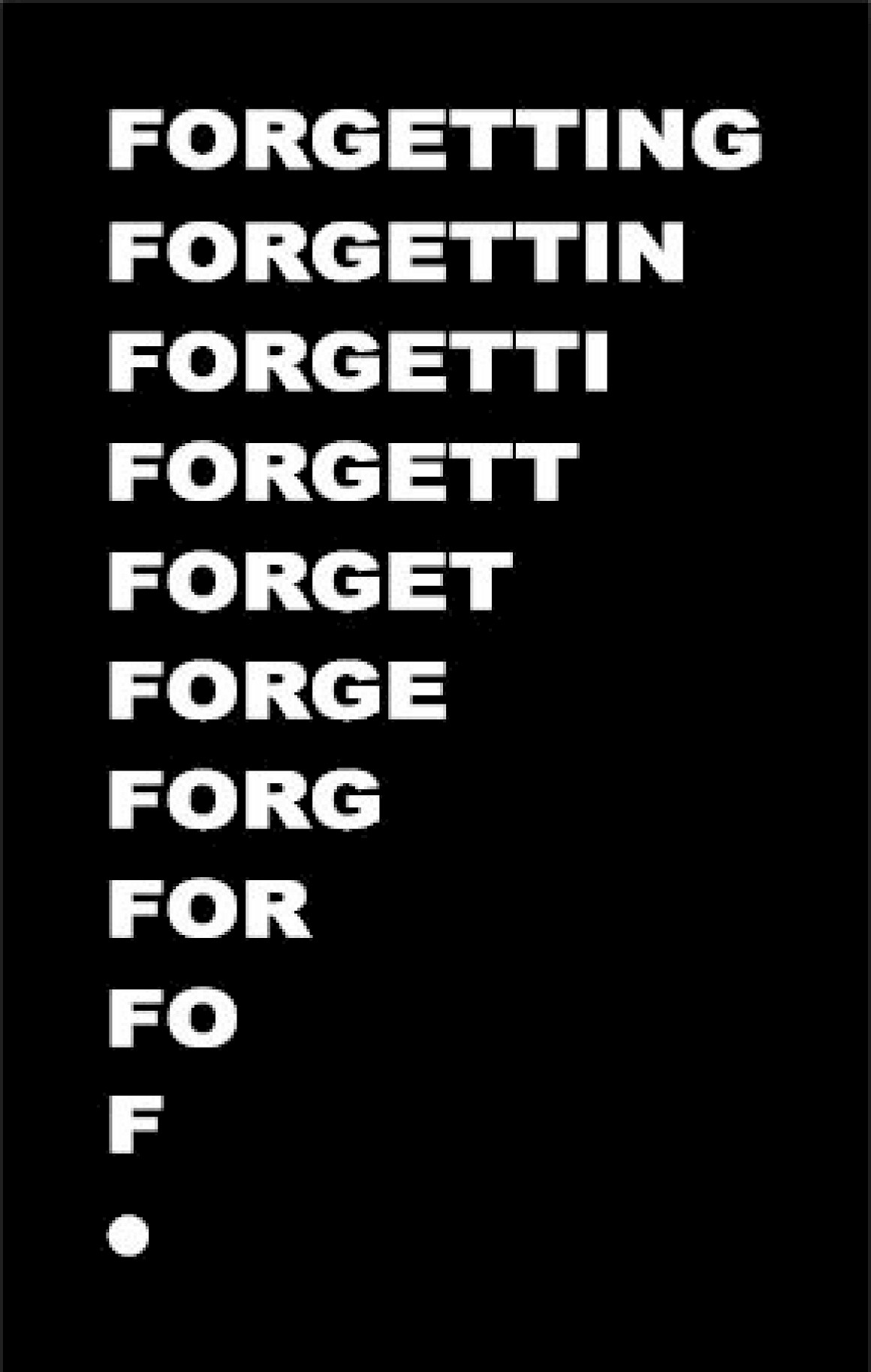
The Great Forgetting
The Great Forgetting

We rarely tie what is happening to us each day on the local and personal level to larger issues. Over the years, I have endeavored to do that in what I write for NWCitizen or post on other sites. A notable example is my article written after the so-called riot in 2013. Causes were tied to the militarization of the police forces, confrontation, belligerence and the alcohol culture. The rental inspection ordinance is tied to issues of the ever growing rentier class, that does no more than extract money from the citizens who can least afford it. Fireworks, the subject of a ban I worked on several years ago, are related to a false patriotism and the harming of the environment. Excessive preoccupation with sports (professional, collegiate and even in our primary and secondary schools) brings us a hyper-masculinity, patriotic displays (fireworks and the military), sexism, and crass commercialism but nobody puts the dots together because we have either forgotten or never learned the lessons of the past. Locally, the city and the county develop comprehensive plans that ignore the past and look to a false future created by the monied interests of the builders, developers and the real estate/banking sectors.
Personalization is much behind that which is interfering with anything remotely resembling a progressive agenda. There is a fracturing of the left that has, in part, contributed to the current mess. Frankly, I don’t give a rat’s patootie about the right wing since they are just off the charts but the so-called Democrats are not far afield and therein lies the rub. Henry Giroux writes for Counterpunch in a piece entitled “Thinking Dangerously in the Age of Normalized Ignorance” . “For instance, there is a new kind of historical and social amnesia overtaking some elements of resistance in the United States. Many progressives have forgotten the lessons of earlier movements for real change extending from the anti-Vietnam War and Black Freedom movements to the radical feminist and gay rights movements of the sixties. History as a repository of learning with vast resources to enable people to build on historical legacies, develop mass movements, and take seriously the pedagogical task of consciousness raising, is in decline. Too much of contemporary politics has become more personal, often reducing agency to the discourses and highly charged emotions of trauma. These historical legacies of resistance did not limit their politics to a call recognition and security within the confines of isolated political issues. Instead, they called for a radical transformation of capitalist and other authoritarian societies. Moreover, they understood that the truth of domination lie in understanding the totality of a society and how various issues were connected to each other.”


