


OK, Once and For All…

OK, Once and For All…
OK, Once and For All…
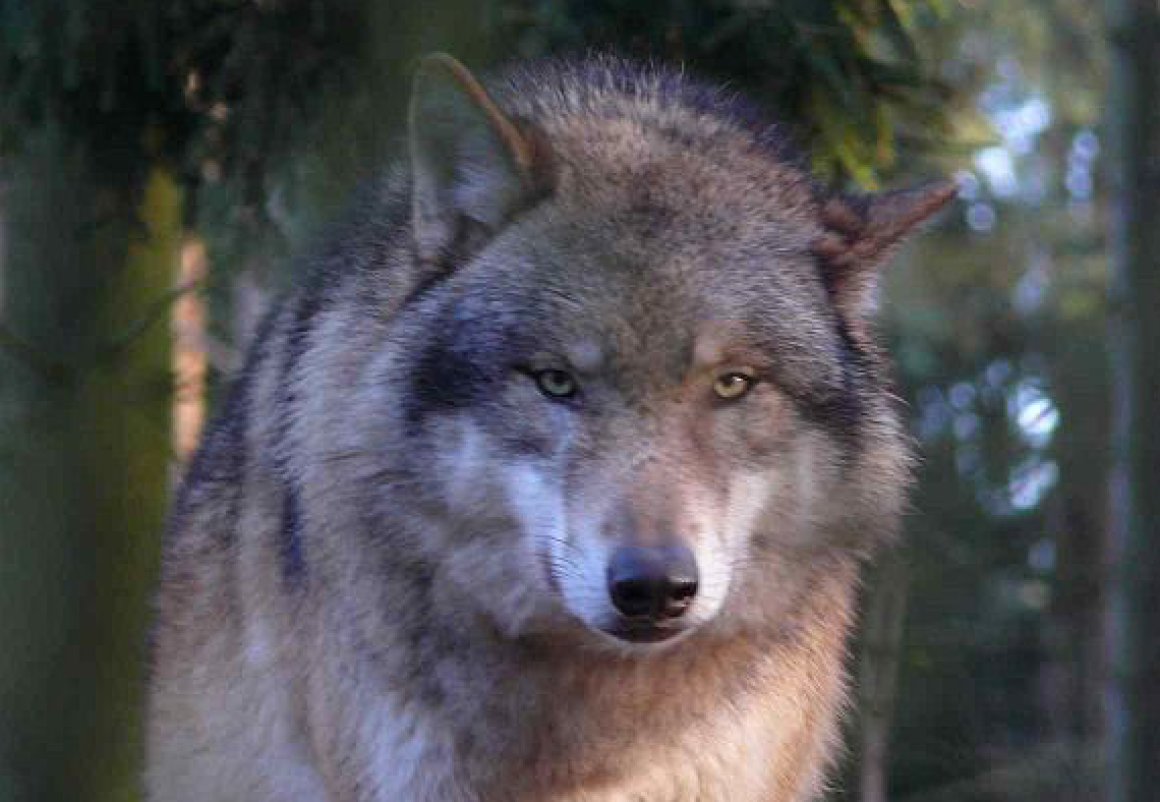
“Alpha males” are not an actual thing.
The term was coined in 1947 by Rudolf Schenkelwhen and popularized when Dr. David Mech, in his 1970 book “The Wolf: Ecology and Behavior of an Endangered Species,” introduced the idea of an alpha male to describe behavior observed in captive animals. In the wild, Mech wrote, wolves split off from their packs when they mature, and seek out opposite-sex companions to form new packs. The male and female co-dominate the new pack for a much simpler, more peaceful reason: They’re the parents of all the pups.
“The concept of the alpha wolf is well ingrained in the popular wolf literature at least partly because of my book “The Wolf: Ecology and Behavior of an Endangered Species,” written in 1968, published in 1970, republished in paperback in 1981, and currently still in print, despite my numerous pleas to the publisher to stop publishing it. Although most of the book’s info is still accurate, much is outdated. We have learned more about wolves in the last 40 years then in all of previous history.
“One of the outdated pieces of information is the concept of the alpha wolf. “Alpha” implies competing with others and becoming top dog by winning a contest or battle. However, most wolves who lead packs achieved their position simply by mating and producing pups, which then became their pack.”
Social order dominance among animals has been studied for decades. In her 2002 book “Sexual Selections: What We Can and Can’t Learn about Sex from Animals,” biologist Marlene Zuk points out that social groups of hens do assert dominance through “pecking orders.” But because roosters are not part of those social groups, the “alpha male” turns out to be female.


