


Chapter 3: City Council Agenda Management
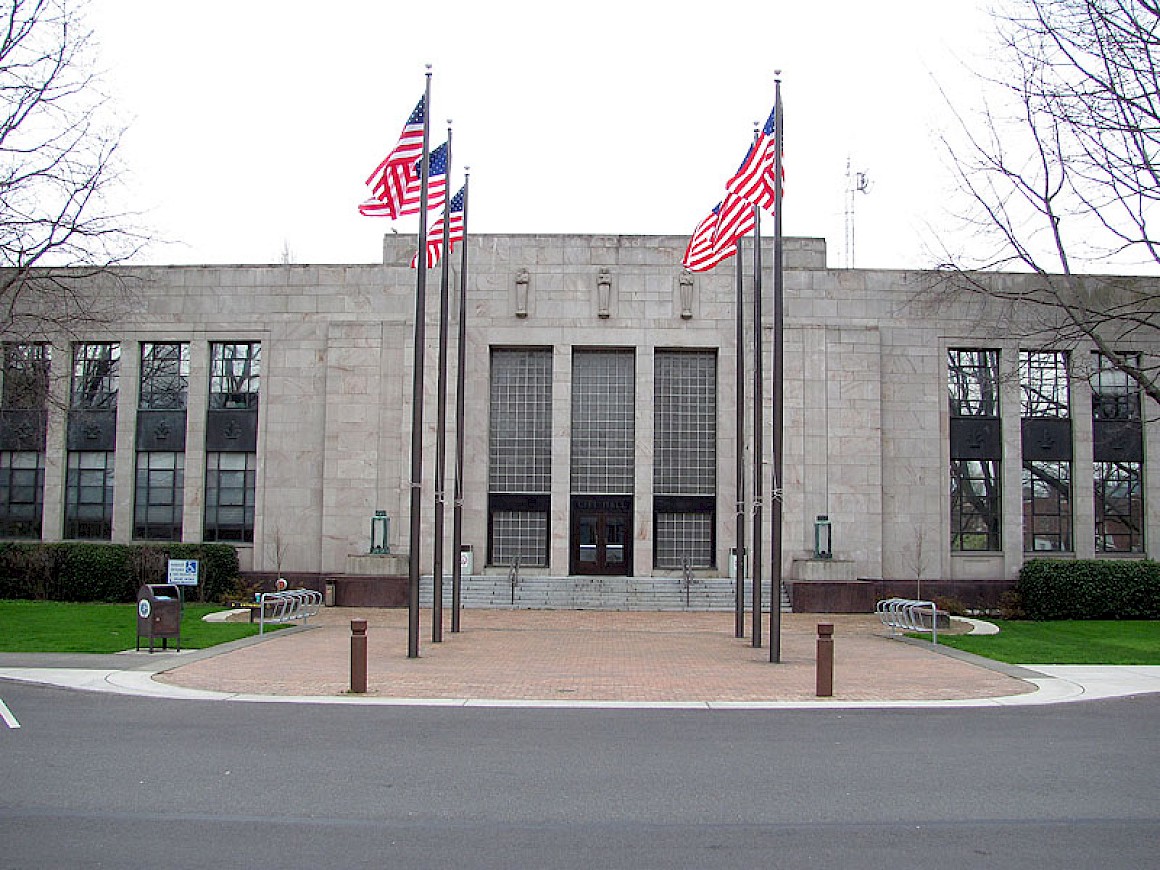
Fortress Lottie Street .
Chapter 3: City Council Agenda Management
Chapter 3: City Council Agenda Management

Neighborhood organizations are a foundational piece of Bellingham’s community activism dating back to the late 1970s. Today, these groups are “ground zero” for improving our community’s collective quality of life. From sponsorship of educational programs on emergency preparedness, collaboration with police for successful community policing programs, park clean-ups, litter control, and growth planning Bellingham’s neighborhood organizations are the community backbone. But watch out when these neighborhood groups clash with City Hall. The fur flies. I have served as my Samish neighborhood Mayor’s Neighborhood Advisory Commission (MNAC) rep for nearly five years. MNAC’s vital role in city politics has gradually diminished during those years, and now it is at an all time low. When MNAC originated under Mayor Ken Hertz in 1977 its directive was clear: “The prime function of the committee will be to assist in the Comprehensive Plan update.” (MNAC was at that time called the Citizens’ Advisory Committee to the Mayor.) It’s legacy was to serve as the forum for neighborhood planning.
MNAC was charged to ”formulate and/or review proposed changes to the city’s comprehensive plan and to prepare recommendations on those proposed changes for the Mayor and the Planning Commission to consider.” (Ordinance 2006-05-048) Unfortunately, with the urging of Mayor Linville three years ago the commission itself voted to revamp its function so as to only be involved in the revision process of the Comp Plan, were it to choose to do so. Its revised 2013 ordinance states: “The MNAC may ELECT [emphasis mine] to review proposed changes to the city’s comprehensive plan and neighborhood plans and provide comment on those proposed changes for the mayor to consider.” (Ordinance 2013-01-004) Was this merely a semantic change, or did this signify an important shift away from true neighborhood engagement in the planning process?
[More on the questionable role and makeup of the Planning Commission here.]
I, along with several other MNAC members voted against this change, noting that “electing” to do something would likely result in that body doing nothing at all. That, regrettably, has come to pass. Not only is MNAC not providing advice on this important revamp of our Comprehensive Plan, many of its representatives were unaware it was even happening or that they had an obligation to be involved. The Planning Commission’s Comp Plan public work sessions began in February and its public hearing was held April 7. By that date MNAC had yet to hold one discussion about the Comp Plan.
In mid-February I requested the Mayor add the Comp Plan discussion to the March MNAC agenda but to no avail. First, we were told the mayor was not available to attend the March meeting, so the agenda would focus on water quality and levels of service. Second, because I used email to lobby with other MNAC reps for this agenda addition, I was scolded by the Mayor’s Communications Director Vanessa Blackburn, who wrote: “Just as a reminder, we ask our boards and commissions to follow the Open Public Meetings Act (Chapter 42.30 RCW) rules and guidelines, which state that all public boards and commissions conduct their deliberations openly. Therefore, please save any substantive discussion about any topic for our open public meetings.”
What? As a volunteer neighborhood commission member I was cautioned to not communicate via email? MNAC has absolutely no decision-making authority or advisory role, yet we were told to not hold substantive email discussions as if we were subject to the Open Public Meetings Act. An incorrect application of the law. The stall tactics continued when in April, instead of a discussion about the content of the Comp Plan, we were derailed into a discussion led by the Mayor about the “process” and what is MNAC’s role in the Comp Plan review? That ship already had sailed three years earlier when MNAC’s purpose was castrated; but by rehashing it now, the Mayor and her staff avoided any discussion of the issues at the heart of the Comp Plan itself such as the controversial ADU (Accessory Dwelling Unit) topic or other critical growth issues. The April MNAC meeting minutes read: “Mayor Kelli expressed that although MNAC can choose to discuss the Comprehensive Plan as much as they collectively wish, this body, again, is an advisory one and not a decision-making one. The extensive history, materials, and information involved is too great to require all representatives have the same knowledge and interest as others.” Really?
At this same meeting the Planning Director Rick Sepler made a statement questioning just who these MNAC members really represent. His statement set a negative tone and representatives were marginalized. MNAC was clearly in trouble as any thing other than a group to discuss ice cream socials, summer picnics, and litter pick ups. Gone were the days when its member knew the difference between a single-family zone, a building height limit, or variance. Sharing the social agendas of neighborhoods or hearing city staff presentations was all Mayor Linville appeared to want for these agendas.
Finally, the May MNAC agenda was announced stating Planning and Community Development Director Rick Sepler and Senior Planner Lisa Pool would present an overview of the Comprehensive Plan update process – again process – as well as an update on the UW commercial zoning study, an update on the subdivision ordinance, and if there was time, an update on the city’s level-of-service conversation. Again, staff wanted to derail the discussion onto process rather than content. And, again, Mayor Linville would be absent.
Also absent was meaningful dialogue by this neighborhood representative body, who had for months been excluded from the discussions about planning for future land use, housing, transportation, open space, and parks. Only in late May, after an open revolt at its meeting, did MNAC finally discuss one housing topic: ADUs. The stall tactic to just keep putting it off had worked. We finally got thrown a bone at the end, but too late for most members to knowledgeably engage. The final City Council public hearing on the Comp Plan is October 17, and there’s only one MNAC meeting left before that on Sept. 21. You can bet the Comp Plan won’t have a starring role. It will roll into the finish line after seven months of missed opportunity for neighborhood representative engagement. This is not good government.


10 Comments